For many First Nations, Métis, or Inuit youth in the child welfare system, disconnection from culture is one of the deepest wounds they carry. Removed from their families and communities — often at a very young age — many have grown up without access to their language, ceremonies, traditional teachings, or even knowledge of their own family history. This cultural disconnection doesn't just affect identity; it affects mental health, sense of belonging, and the ability to envision a positive future.
Culture as Foundation
At New Steps, cultural programming isn't an add-on or an afterthought. It's woven into everything we do. We believe that reconnecting with culture is a foundational part of healing and growth. When young people know where they come from, they have a stronger sense of where they're going.
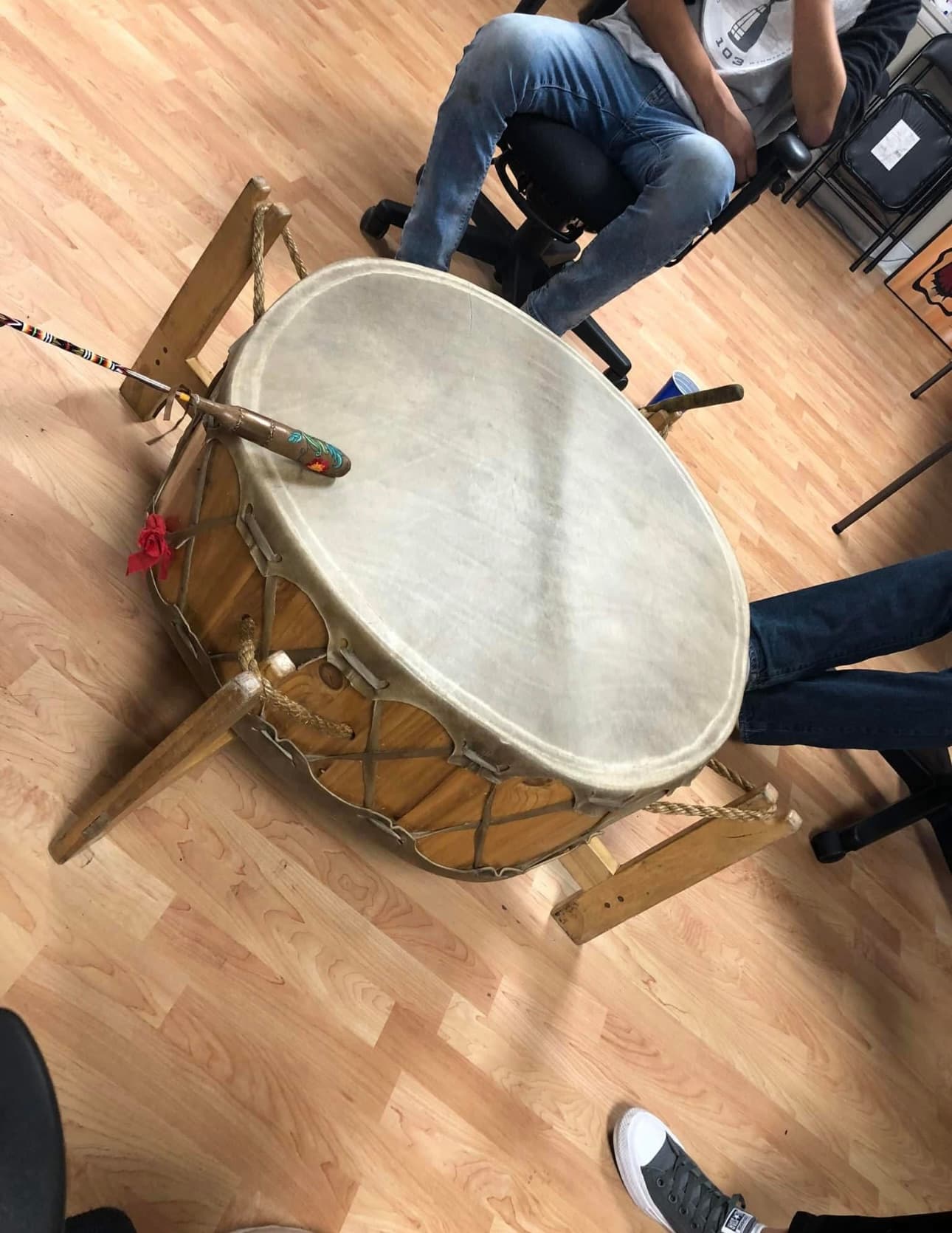
Our cultural programming includes regular sharing circles, access to Elders and Knowledge Keepers, opportunities to participate in ceremonies, and learning about traditional practices like beading, drumming, and land-based activities. These aren't just activities — they're pathways to understanding identity, processing trauma, and building community.
Why It Matters for Youth in Care
Research consistently shows that cultural connection is a protective factor for First Nations, Métis, or Inuit youth. Young people who feel connected to their culture report better mental health outcomes, stronger self-esteem, and greater resilience. For youth who have experienced the disruption of the child welfare system, cultural reconnection can be especially powerful.
Many of our participants describe their first sharing circle or ceremony as a turning point. "I didn't know this was part of who I am," one youth told us. "Now I feel like I have something to stand on." That sense of grounding — of having roots — changes everything.
The Intergenerational Dimension
It's important to understand that cultural disconnection among First Nations, Métis, or Inuit youth in care didn't happen by accident. It's the direct result of policies designed to sever First Nations and Métis peoples from their cultures — residential schools, the Sixties Scoop, and ongoing overrepresentation in the child welfare system. When we support cultural reconnection, we're not just helping individual youth; we're contributing to a process of intergenerational healing.
Many of our youth go on to share what they've learned with younger siblings, future children, and peers. The ripple effect of one young person reconnecting with their culture can extend across generations.
An Invitation
If you work with First Nations, Métis, or Inuit youth, consider how you might support cultural connection in your practice. This might mean partnering with local Elders, incorporating First Nations and Métis perspectives into your programming, or simply creating space for young people to explore their identity. Culture is medicine — and every young person deserves access to it.