
Youth Stories
Real voices. Real journeys.
Every young person's path is different, but they all lead toward the same thing — a life they've built on their own terms.
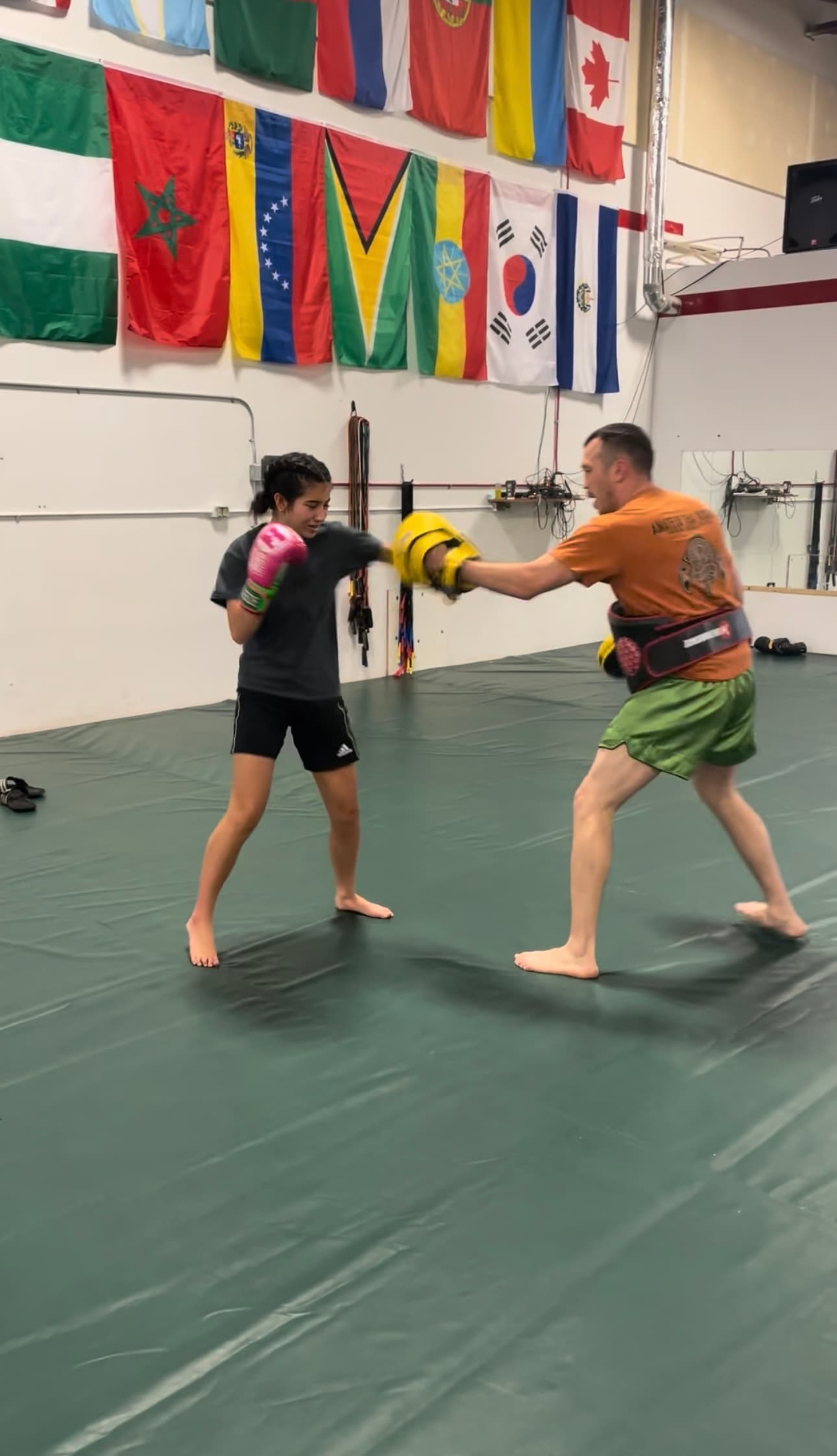
These are composite stories inspired by the real experiences of young people in transitional housing programs. Names, nations, and details have been changed to protect privacy. Every story reflects something true about the journey from care to independence.
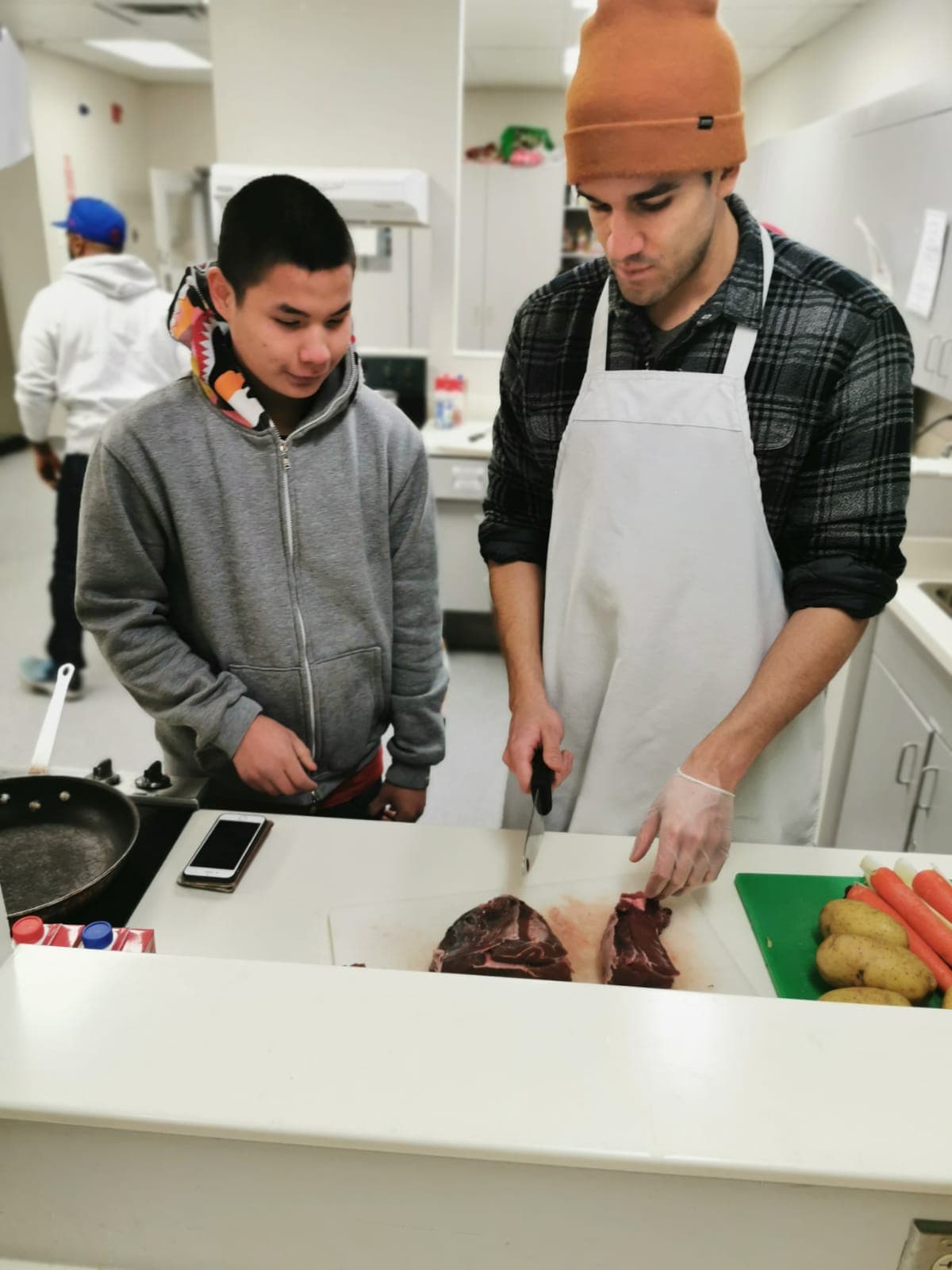
Marcus, 19
“I didn’t know how to cook anything when I got here. Like, nothing. Now I make bannock better than my kookum and she’d probably be mad if she heard me say that.”
Marcus came to New Steps at 17 after bouncing between three group homes in two years. He’d been in care since he was nine. The first few weeks were rough — he didn’t trust anyone, didn’t want to follow the routine, and kept testing the boundaries to see if staff would give up on him like everyone else had. They didn’t. It took about two months before he stopped waiting for the other shoe to drop. The turning point was small — one of the staff asked if he wanted to help prep dinner, and he said yeah, mostly out of boredom. That turned into cooking every Wednesday. Then it turned into him actually enjoying it. He got his Food Handler’s Certificate through the program and picked up part-time work at a restaurant on Portage. He’s still figuring a lot out. Some weeks are better than others. But he’s got his own suite now, he’s paying his phone bill, and he’s talking about going back to school for his GED.
In their words
“The hardest part wasn’t learning how to do stuff. It was learning how to ask for help without feeling weak. That’s what this place taught me — that asking for help is just… normal.”
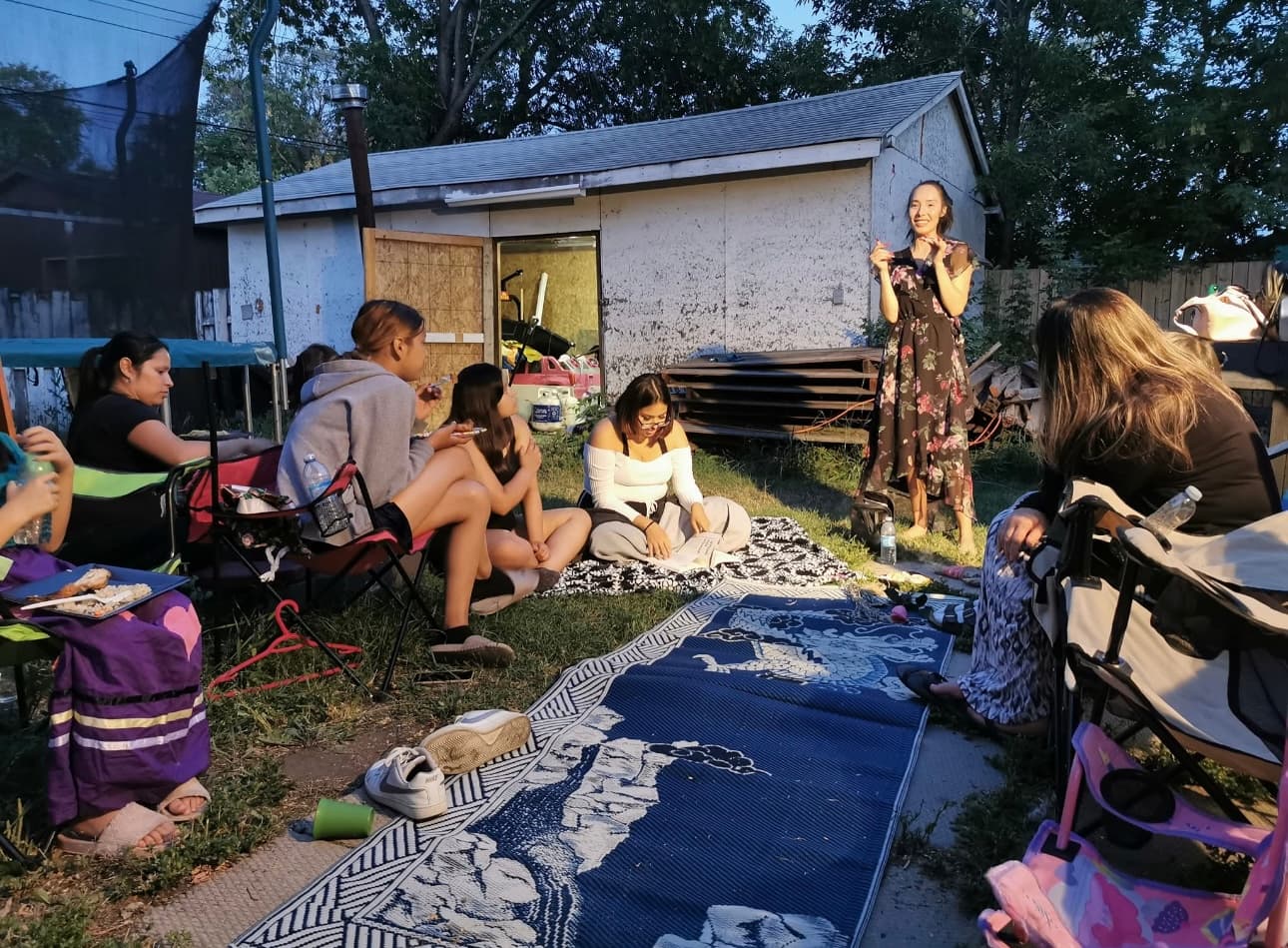
Jade, 20
“I used to think independence meant not needing anyone. Turns out it means knowing who to call when things get hard.”
Jade aged out of CFS care on her 18th birthday with a garbage bag of clothes and a bus ticket. She couch-surfed for four months before a social worker connected her with New Steps. She was angry — at the system, at her situation, at the fact that she had to ask strangers for a place to live. She’s honest about the fact that she almost left the program twice in the first year. What kept her was the Elder who visits on Tuesdays. “She never told me what to do,” Jade says. “She just… listened. And she’d say things like, ‘You already know the answer, my girl.’ And weirdly, I usually did.” Jade got her driver’s licence through the program, finished her GED, and started a part-time job at a daycare. She’s now in Phase 3 with her own apartment. The lease is in her name. She still goes to the Tuesday Elder sessions — not because she has to, but because she wants to.
In their words
“I’m not going to pretend everything is perfect. I still have bad days. But I have a key to my own front door and a plan for next month, and a year ago I didn’t have either of those things.”
Tyler, 18
“Back home the church was everything — Sunday service, community dinners, the whole thing. I was scared I’d lose that when I moved to the city. But they helped me find a church here and I go most Sundays.”
Tyler came to Winnipeg from a Northern community at 16. He’d never lived in a city before. Everything was louder, faster, and lonelier than he expected. He missed his community, his cousins, the lake. The first month he barely talked to anyone. What helped was that the staff didn’t push. They asked what mattered to him back home, and he talked about church — how it was the centre of everything in his community, how his whole family went every Sunday, how the community dinners after service were the best part of his week. The team connected him with a church in the North End, and he started going. It gave him something familiar in a city that felt completely foreign. He’s still in Phase 1, still adjusting. He joined the boxing program and that’s helped with the stress. He calls his mom every few days. He’s not sure what comes next, but he says he feels less lost than he did six months ago.
In their words
“I’m not gonna lie, it’s still hard. But at least I know where I’m sleeping tonight and I’ve got people who actually check on me. That’s more than I had before.”
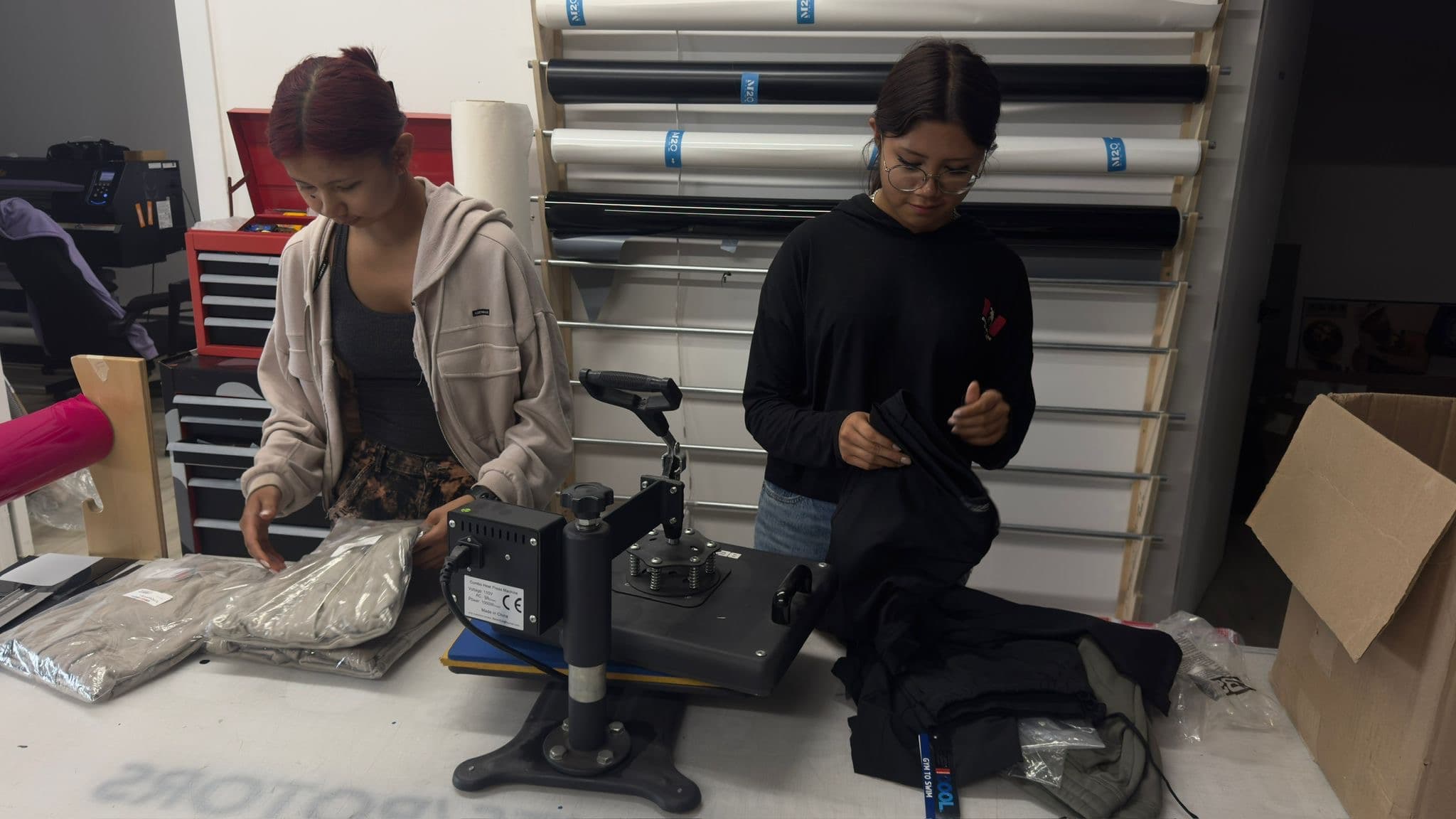
Sierra, 21
“I graduated from New Steps and I graduated from high school in the same month. First person in my family to do either one.”
Sierra was 16 when she arrived at New Steps, pregnant and terrified. She’d been in seven foster placements since she was 12 and had no relationship with her family. She didn’t think the program would be any different from the group homes she’d been in before. The staff worked with her to build a plan that made room for her baby — she connected with prenatal support through a community health centre and the team adjusted her schedule around appointments. Her daughter was born while she was in Phase 1. Sierra will tell you that the hardest period of her life was also the one where she grew the most. She got her GED at 19, moved into Phase 2 with her daughter, and started working part-time at a clothing store. She graduated from the program at 20, lease in her name, with a toddler who calls the Phase 1 staff “auntie.” She’s now working full-time and saving for a car.
In their words
“People look at me and they see a young First Nations mom and they make assumptions. But I’ve got my own apartment, a job, and my daughter is in daycare. I did that. With help, yeah, but I did that.”
Noah, 19
“I didn’t even know about my heritage until I was 15. My foster family never told me. The cultural programming here — that’s where I started learning who I actually am.”
Noah grew up in foster care outside his community and didn’t learn about his First Nations heritage until a caseworker mentioned it when he was 15. By then he’d been in care for a decade and had no connection to his community, his culture, or his family history. When he came to New Steps at 17, the cultural programming wasn’t something he was interested in at first — it felt like it was for other people, people who’d grown up knowing who they were. But he kept showing up. He learned to bead. He sat in on drumming circles. An Elder told him stories and he realized that history was his history. He says the identity piece has been bigger than the housing, bigger than the job skills, bigger than any of it. He’s now in Phase 2, working at a hardware store, and getting into cultural activities on weekends. He laughs when he says that last part, but you can tell he means it.
In their words
“I spent my whole life not knowing where I came from. Now I’m figuring it out, and it turns out I come from people who survived a lot worse than what I’ve been through. That helps.”
Riley, 18
“The first time I filed my own taxes I felt like the most adult person alive. It was $37 back but still. That’s my $37.”
Riley is quiet and doesn’t say much about how they ended up in care. What they will talk about is the small stuff — the things that nobody teaches you when you grow up in the system. How to open a bank account. How to read a lease. How to cook rice without burning it (still a work in progress, they say). Riley came to New Steps five months ago and is still in Phase 1. They go to the Learning Centre most days, working on their GED. Math is the hard one. They’re not in a rush. The staff say Riley is one of those people who watches everything, takes it all in, and then one day just… does it. They filed their own taxes for the first time this year with help from the financial literacy workshop. They’re saving up for a guitar. No big plans yet — just one day at a time.
In their words
“I don’t have some big inspirational story. I’m just… here. And that’s kind of the point, right? I’m somewhere safe and I’m figuring things out. That’s enough for now.”
Privacy & Respect
These stories belong to the young people they represent
All stories are composite narratives — no story describes one real person, and no real names or identifying details are used. The photographs are of real young people, and they are not portraits of the composites written beside them. We share these stories to illustrate the kinds of journeys young people experience in transitional housing — not to speak for anyone.
If you're a current or former New Steps resident who would like to share your own story in your own words, talk to your support worker or contact us directly. It's always your choice.