In Manitoba, when a young person in the care of Child and Family Services (CFS) turns 18, they face a reality that most of us never have to think about: aging out. Unlike their peers who have families to fall back on, youth leaving care often do so without a safety net — no stable housing, limited financial resources, and few consistent adult relationships to guide them.
For First Nations, Métis, or Inuit youth, who are vastly overrepresented in Manitoba's child welfare system, this transition is even more challenging. According to recent reports, First Nations, Métis, or Inuit children make up roughly 90% of children in care in Manitoba, despite representing about 30% of the child population. The effects of colonization, the legacy of residential schools, and the Sixties Scoop have created systemic conditions that funnel First Nations and Métis families into the child welfare system at disproportionate rates.
What "Aging Out" Actually Looks Like
Imagine turning 18 and being told that the system responsible for your care is no longer obligated to support you. For many youth, this means scrambling to find housing, navigating employment for the first time, and trying to manage finances without ever having been taught how. Studies show that youth who age out of care are at significantly higher risk of homelessness, unemployment, and involvement with the justice system.
In Manitoba, the Extensions of Care program allows some youth to receive support until age 21, but accessing these extensions can be complicated, and not all youth are aware they qualify. Even with extensions, the support often falls short of what young people need to truly thrive.
Why Independent Living Programs Matter
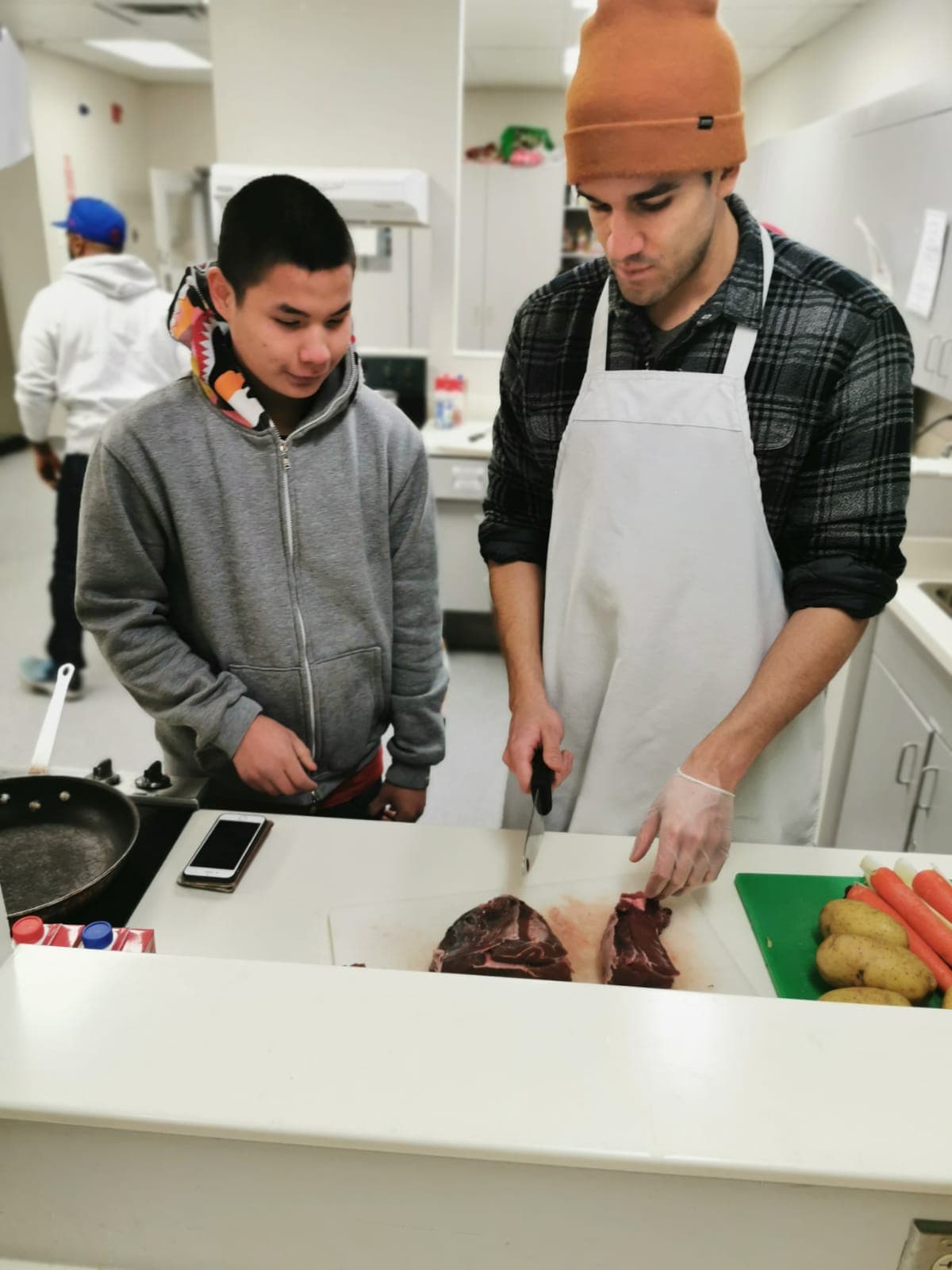
Programs like New Steps ILP exist to bridge this gap. By providing stable housing, life skills training, cultural programming, and one-on-one mentorship, independent living programs give youth the foundation they need to build a self-determined future. The goal isn't just survival — it's helping young people discover their strengths, connect with their culture, and develop the confidence to pursue their goals.
At New Steps, we believe that every young person deserves a fair start. Aging out of care shouldn't mean aging into crisis. With the right support at the right time, First Nations, Métis, or Inuit youth can — and do — build incredible lives.
How You Can Help
If you're a professional working with youth in care, consider connecting them with independent living programs well before they turn 18. Early referrals give young people more time to prepare for the transition. If you're a community member, consider volunteering or donating to organizations that support youth aging out of care. Every bit of support makes a difference.